The Roundtable "The Independent State of Croatia – the Systematic Destruction of Serbs, Jews, and Roma" will be held on April 22, 2026, at the Donja Gradina Memorial Area.
The gathering is organized by the Public Institution "Donja Gradina Memorial Area" on the occasion of the 81st anniversary of the Jasenovac camp prisoners' breakout. It serves as a continuation of last year's international scientific conference, which brought together numerous researchers and made a significant contribution to the study of this subject.
The topics of the roundtable include:
New contributions to the research of the Ustashe crime of genocide in the Independent State of Croatia – local execution sites
The Holocaust and Porajmos
Memories of surviving camp inmates
The publication of the proceedings (collection of papers) is planned following the conclusion of the roundtable.
Director’s Foreword
Over the past years, the Public Institution "Donja Gradina Memorial Area" has established itself as a reference institution for the study of the crime of genocide against Serbs in the Independent State of Croatia, particularly regarding the functioning of its largest camp, the Jasenovac Concentration Camp. The very fact that this institution is situated on the site of the former largest execution ground, Donja Gradina, grants it special significance and responsibility in preserving the culture of remembrance. Although small in number, our team of curators and associates works with dedication and continuity on researching, documenting, and presenting the suffering of the victims of the Ustashe regime. A special contribution to the scientific and professional community is represented by the journal Topola, which has been published for over ten years as a specialized edition dedicated to this subject. To date, eleven issues have been released, and the twelfth is expected this year, featuring works that encompass scientific and professional studies, as well as testimonies and memories, making it a publication of unique character and tradition in the Republic of Srpska.
Driven by the desire to advance research on this topic, the Public Institution began organizing scientific conferences last year, hosting the International Scientific Conference "The NDH and the Jasenovac Concentration Camp in the Light of Contemporary Research." This event brought together eminent experts from the country and abroad and made a significant contribution to modern research into the Ustashe crime of genocide, the Holocaust, and the Porajmos. As a continuation of that scientific continuity and further networking of researchers, this year we are organizing the roundtable "The Independent State of Croatia – the Systematic Destruction of Serbs, Jews, and Roma," with the aim of presenting new historical facts and defining guidelines for future research. Through a professional analysis of the subject, we strive to raise awareness about the importance of a scientific approach and to oppose negative historical revisionism aimed at diminishing the scale of the suffering of Serbs, Jews, and Roma in the Independent State of Croatia.
I am convinced that this scientific gathering will provide a significant contribution to academic study and the preservation of the culture of remembrance. I take this opportunity to extend a warm greeting to all participants of the roundtable and to express my gratitude to the professional community and the wider public for their support in preserving historical truth.
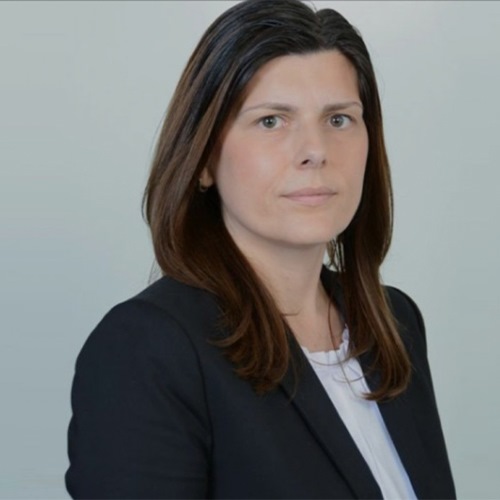
Tanja Tuleković
Директор Јавне установе „Спомен-подручје Доња Градина“
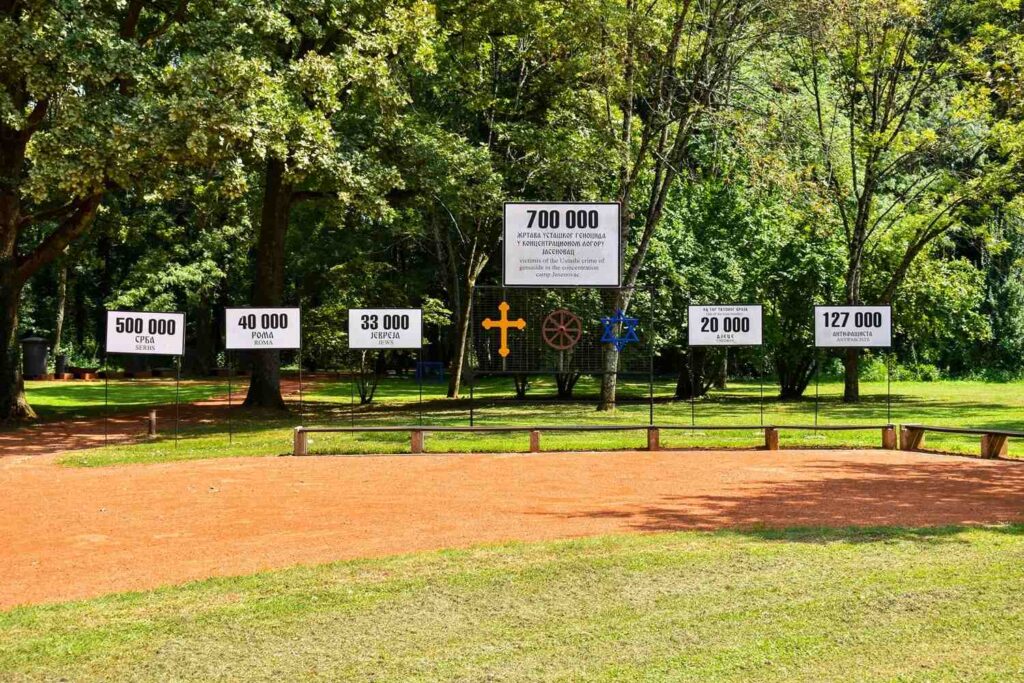
The public institution "Memorial Site Donja Gradina" (established in 2002) is dedicated to preserving the memory of the victims of the Ustasha genocide committed at the Jasenovac Concentration Camp during World War II. Donja Gradina, as the largest execution site of this camp, serves as a place of commemoration, scientific research, and education about the crimes of the Independent State of Croatia.
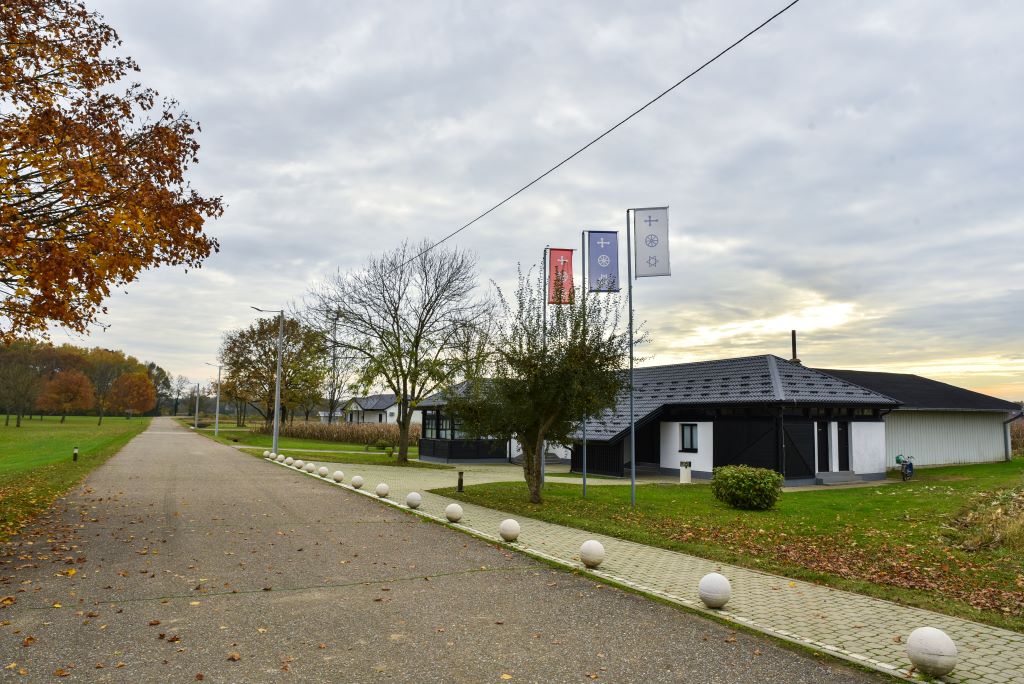
The memorial site includes numerous marked execution grounds, as well as a memorial complex that serves as a venue for scientific conferences, exhibitions, and educational programs. The institution is actively engaged in research, collecting documents and testimonies, and publishing scientific and educational materials.
Particular emphasis is placed on preserving the authenticity of this execution site and raising awareness of the importance of remembering it. In this spirit, annual commemorations are organized, while cooperation with domestic and international institutions contributes to expanding knowledge about the crimes committed within this camp system.











 EN
EN  SR
SR